Therapy for Teens
Ages 12-17
Teens often struggle with anxiety, social pressures, emotional overwhelm, big transitions, friends, relationships, and self-esteem. Not only that, but in this day and age they’re being faced with a constant digital overload that can lead to anxiety, depression, and decreased self-esteem.
How I work with teens:
One of my top priorities when working with teens is creating a judgment free zone. Adolescence can feel like a roller coaster of confusion and intense emotions. I want my clients to feel welcomed, understood, and accepted when they step into my office, without fear of being judged for what they’re experiencing.
I take a collaborative approach that honors each teen's voice, autonomy, and individual needs. Whether we're setting goals together or finding a pace for therapy that feels right, I want teens to feel empowered to take an active role in their therapy journey.
I help teens with…
Anxiety and feeling “on edge”
Self-esteem & self-compassion
OCD
ADHD & executive functioning skills
Emotion exploration & emotion regulation
Self-advocacy
Social challenges
Communication
Nervous system regulation
What does therapy with teens look like?
Zero pressure to speak.
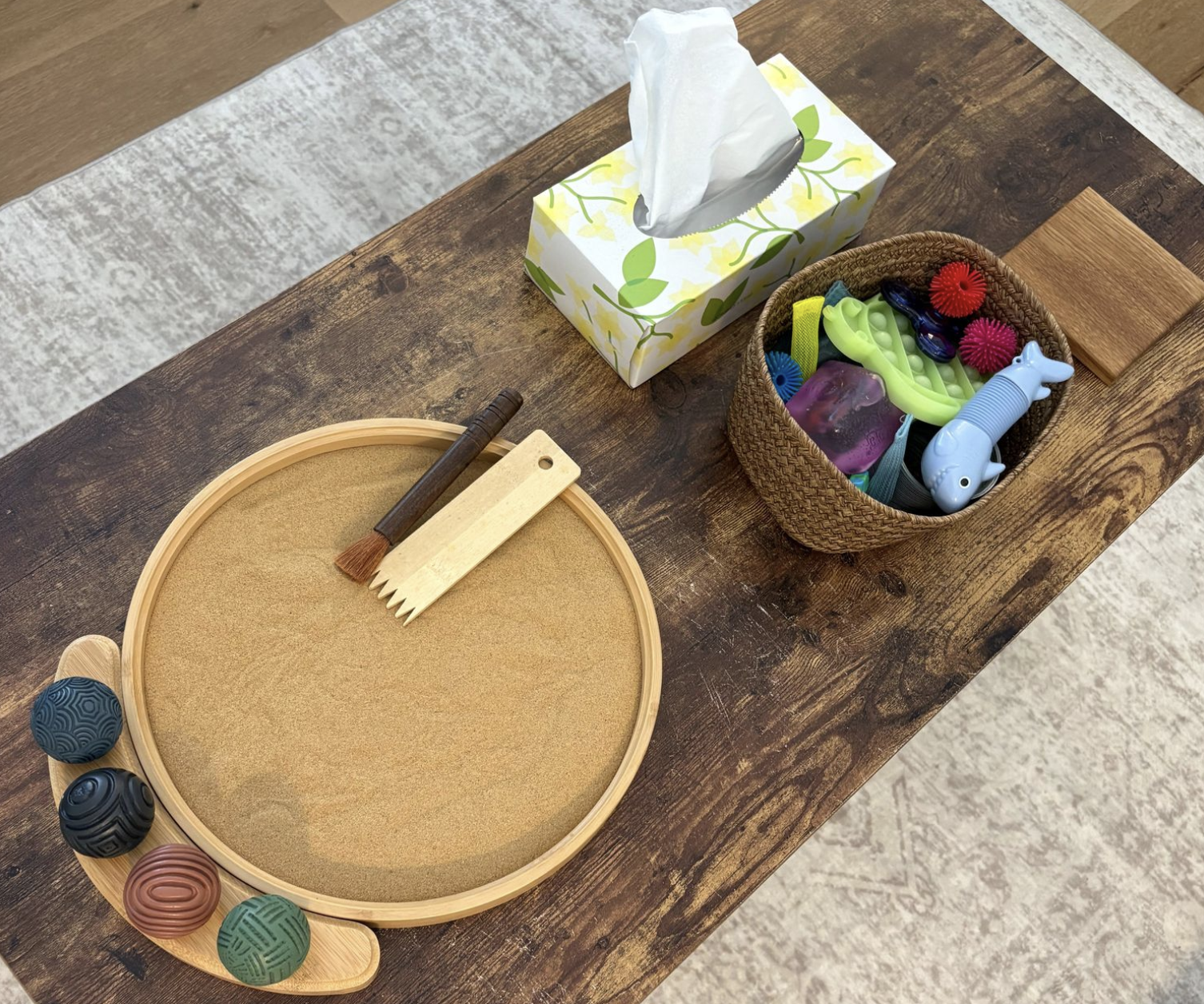
Plenty of fidgets to choose from which can make it easier for teens to feel comfortable sharing. Many teens also have extra energy that fidgeting helps release.
The occasional walk n’ talk session outside if the weather is nice.
Other activities such as drawing or playing Uno - these are great for building trust and maintaining comfort in the therapy room.
I value the insight and perspective parents bring to the therapy process. You know your child in ways that are important to understanding their experiences, and I welcome your involvement and collaboration along the way. At the same time, I prioritize creating a space where teens feel safe to express themselves openly and build trust in the therapeutic relationship. Together, we can find a balance that honors your role in supporting your teen while allowing them the privacy they need to grow.